
🛒 Payments Via PayPal® and CreditCard
💵The merchant deposit of USD 100,000 has been paid to PayPal.

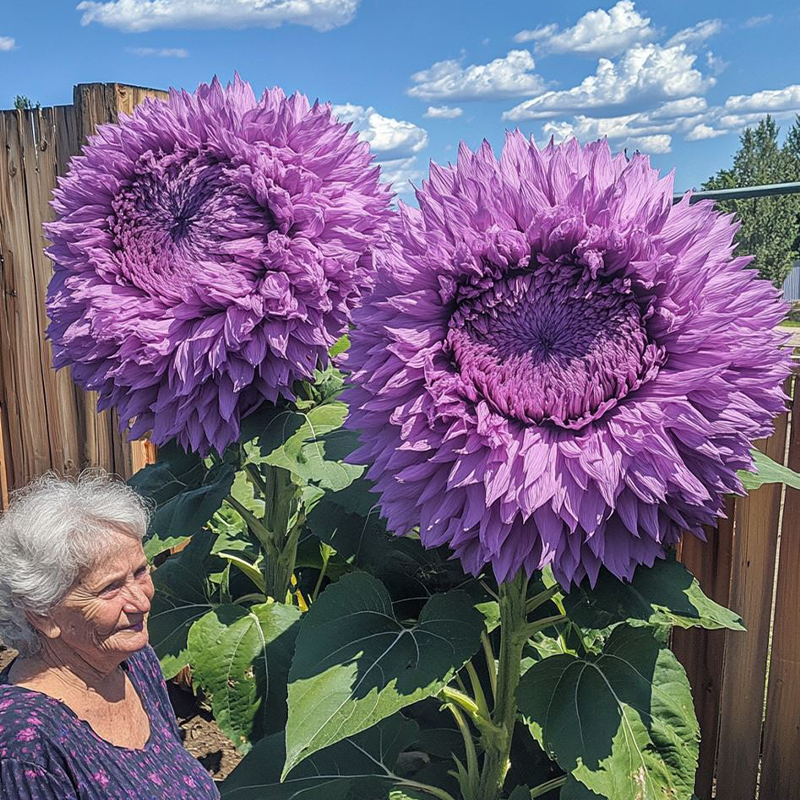
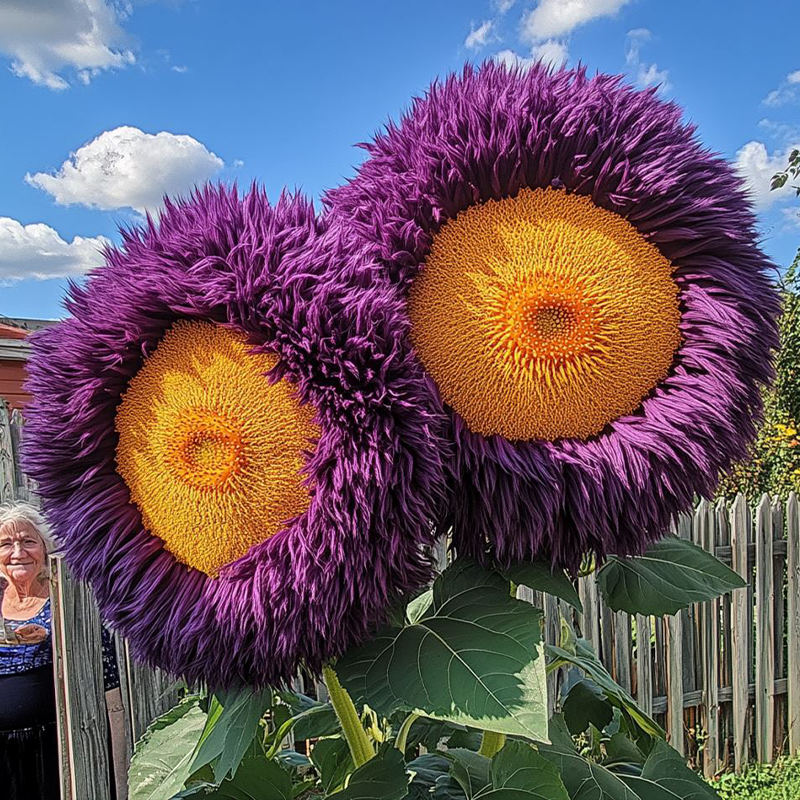
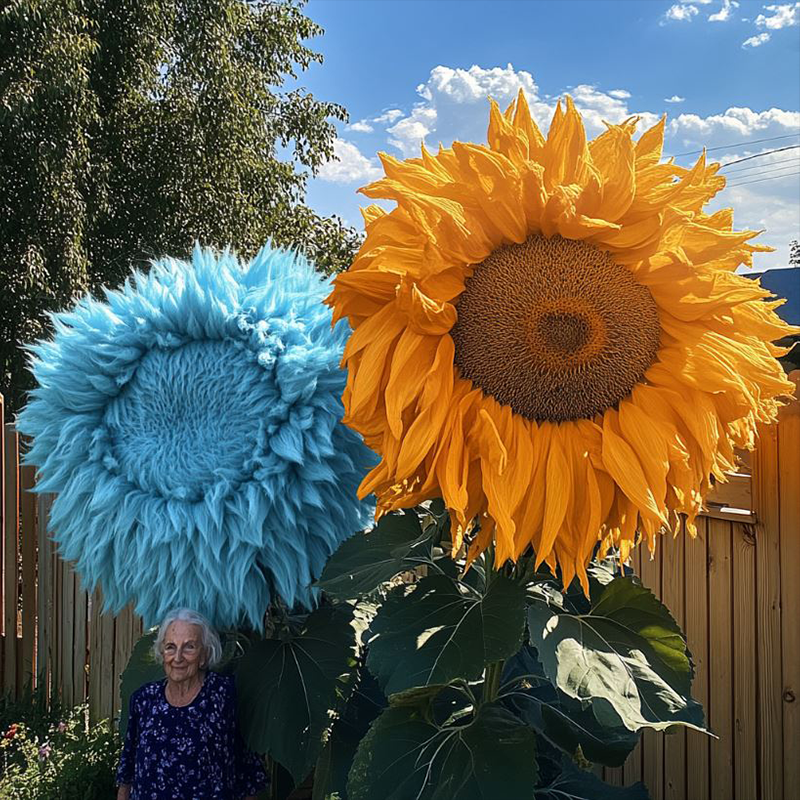
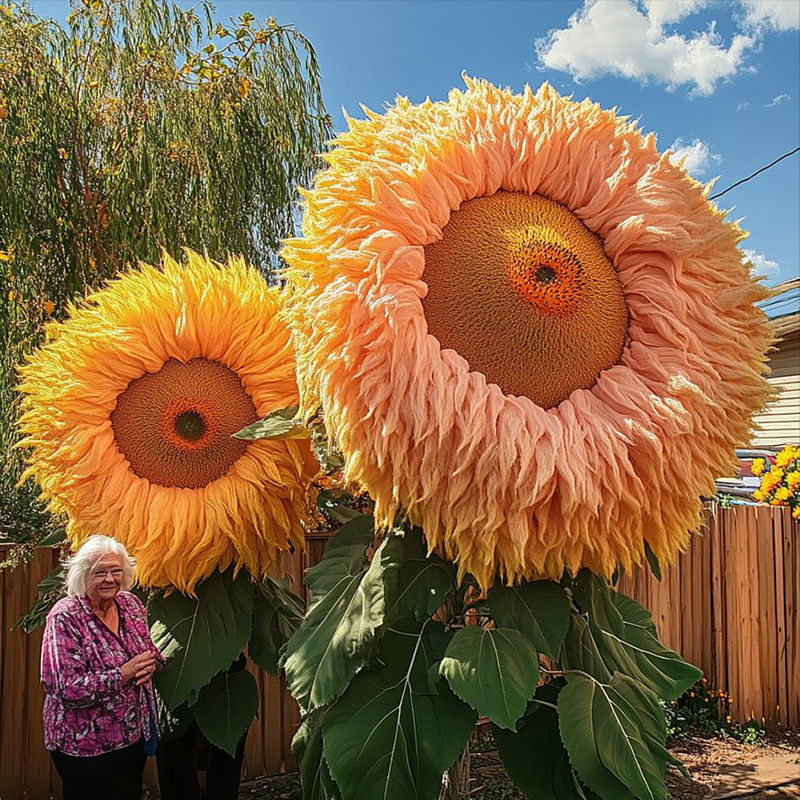
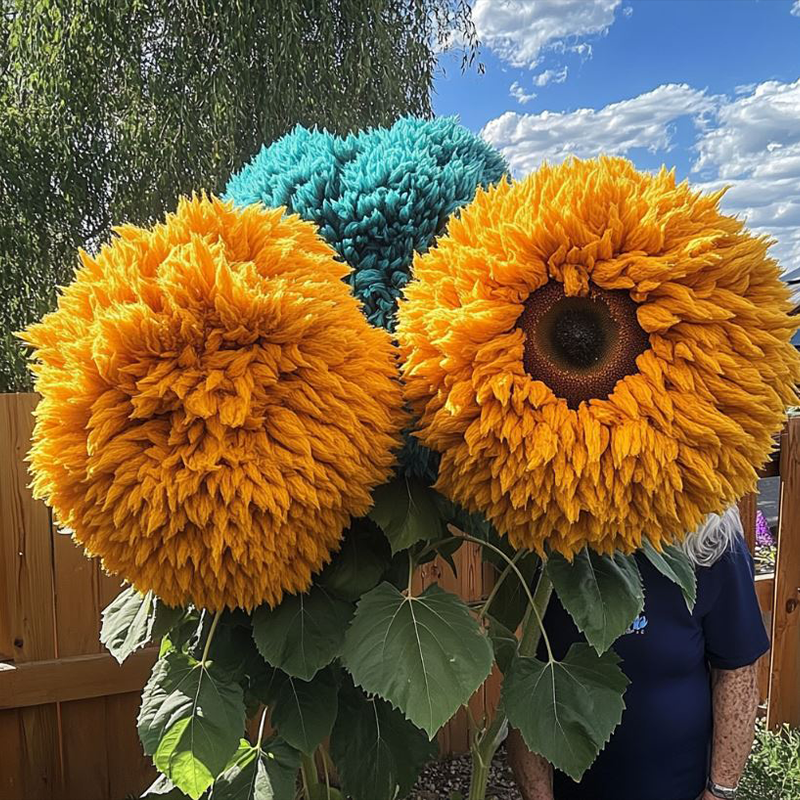
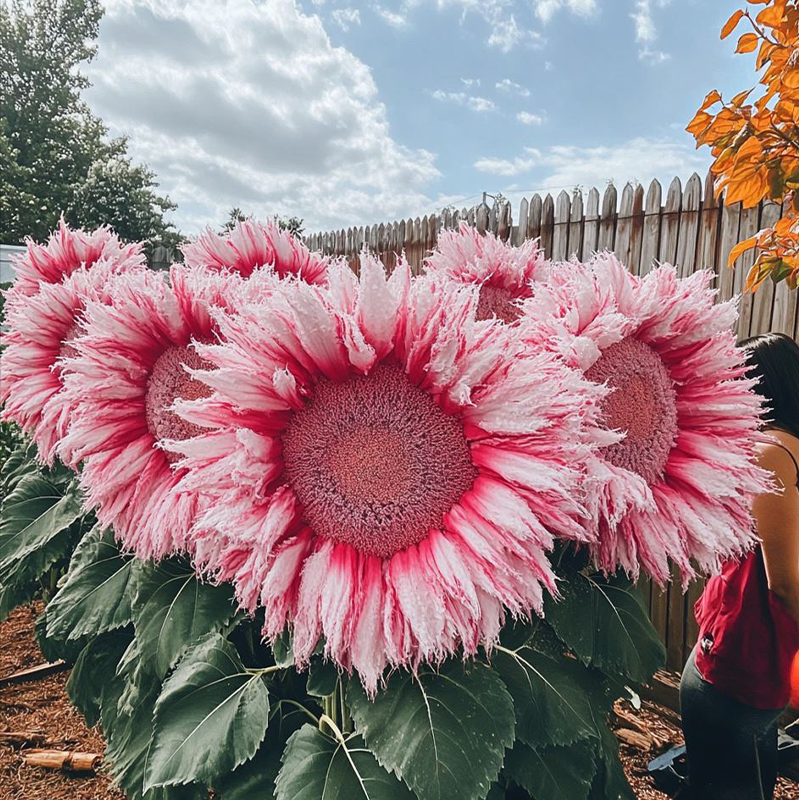
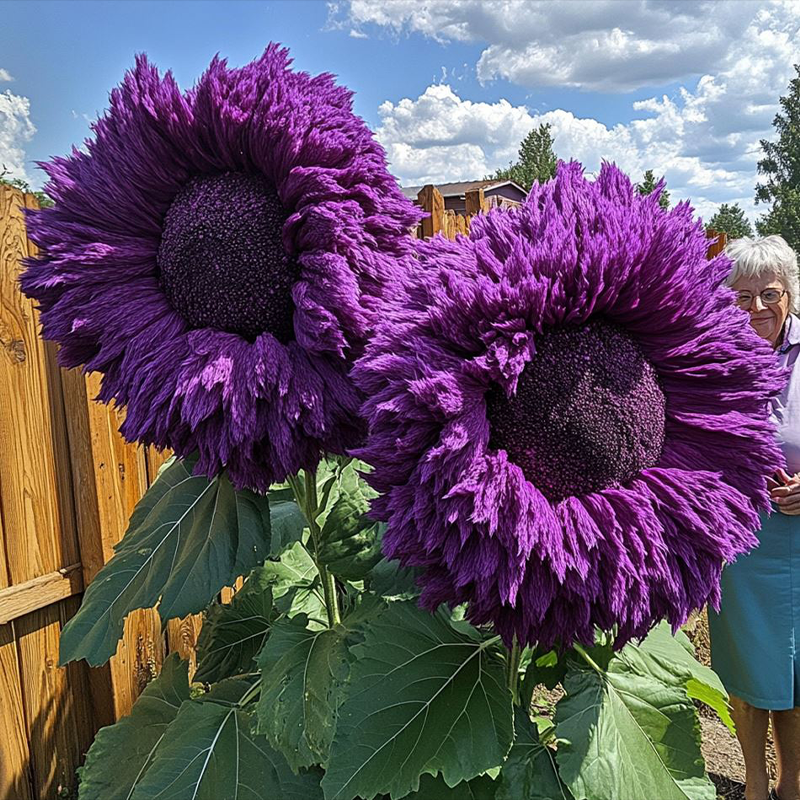
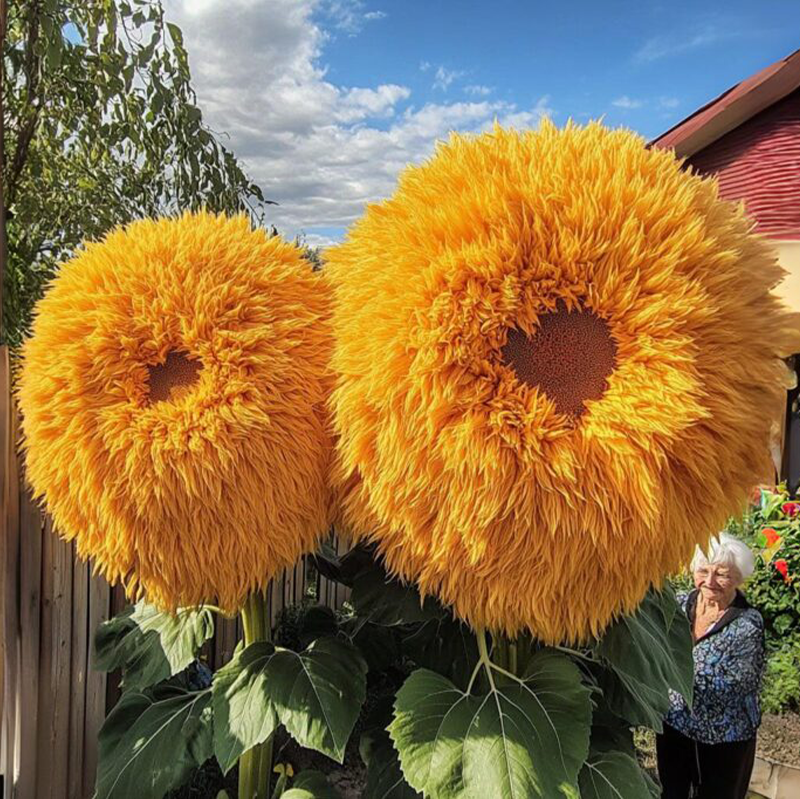
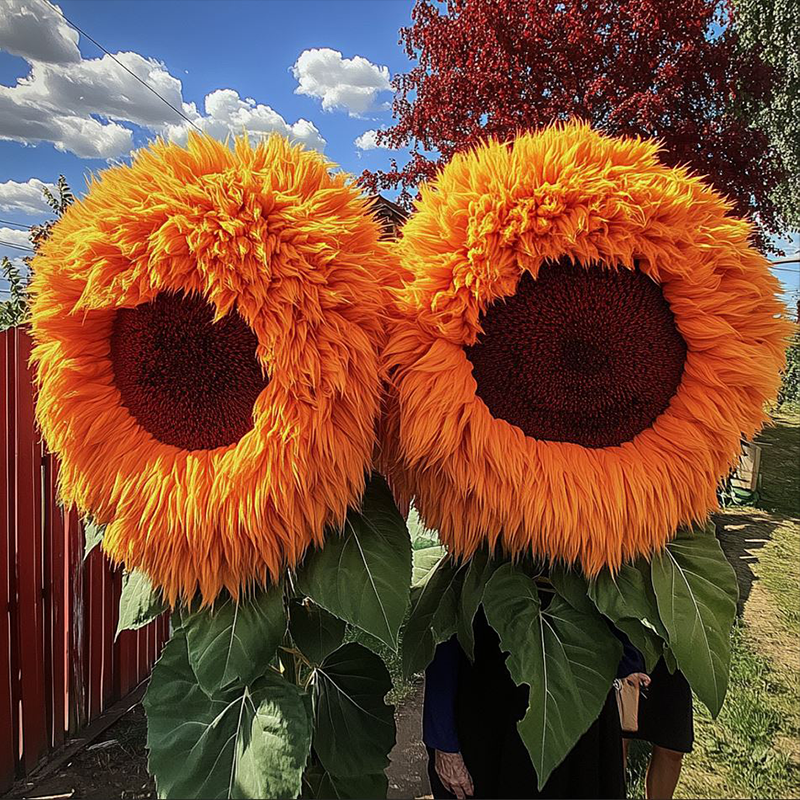
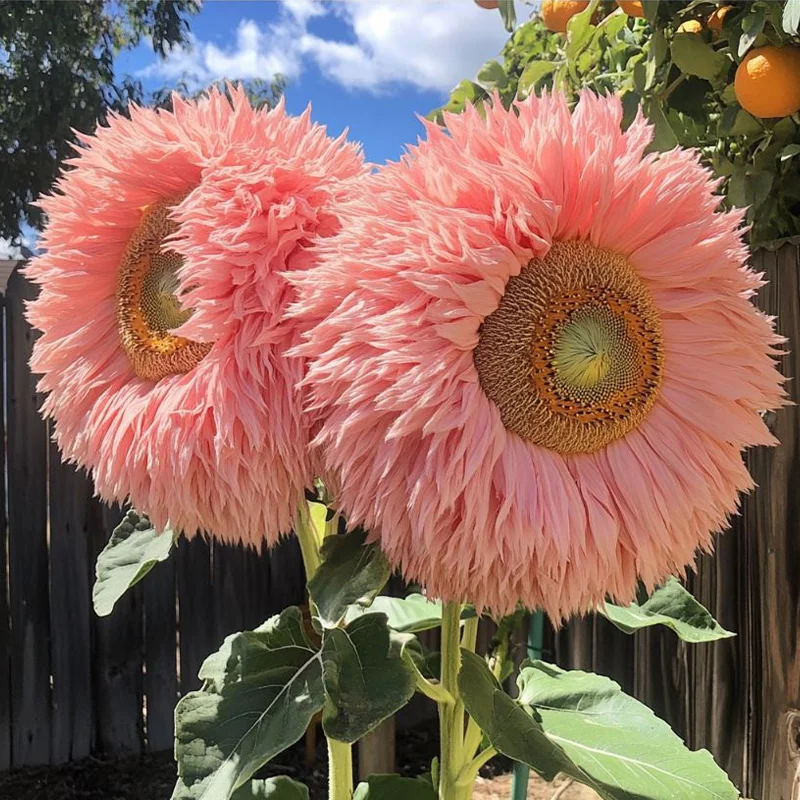
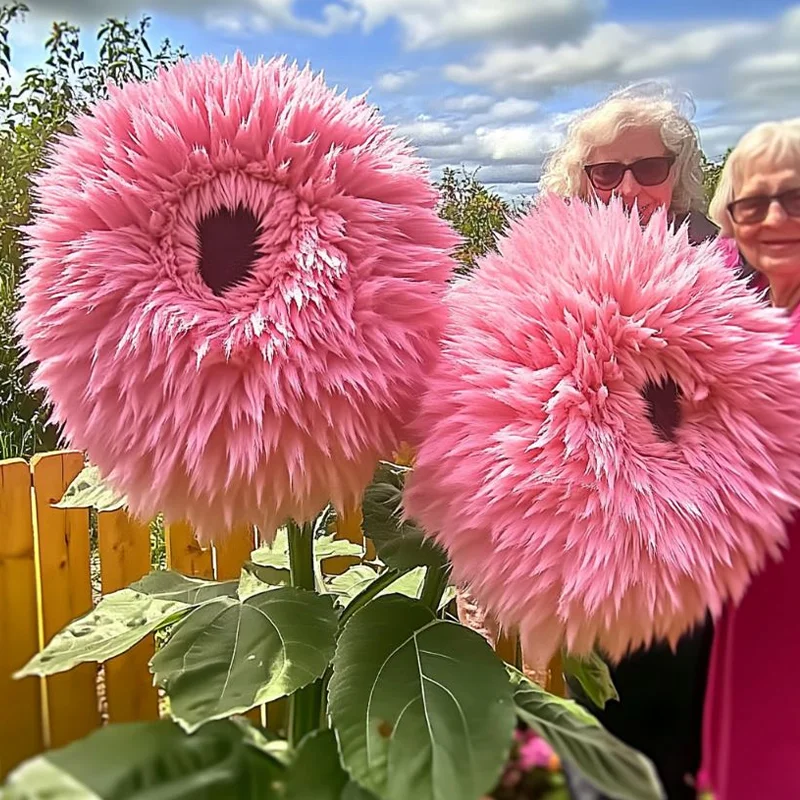
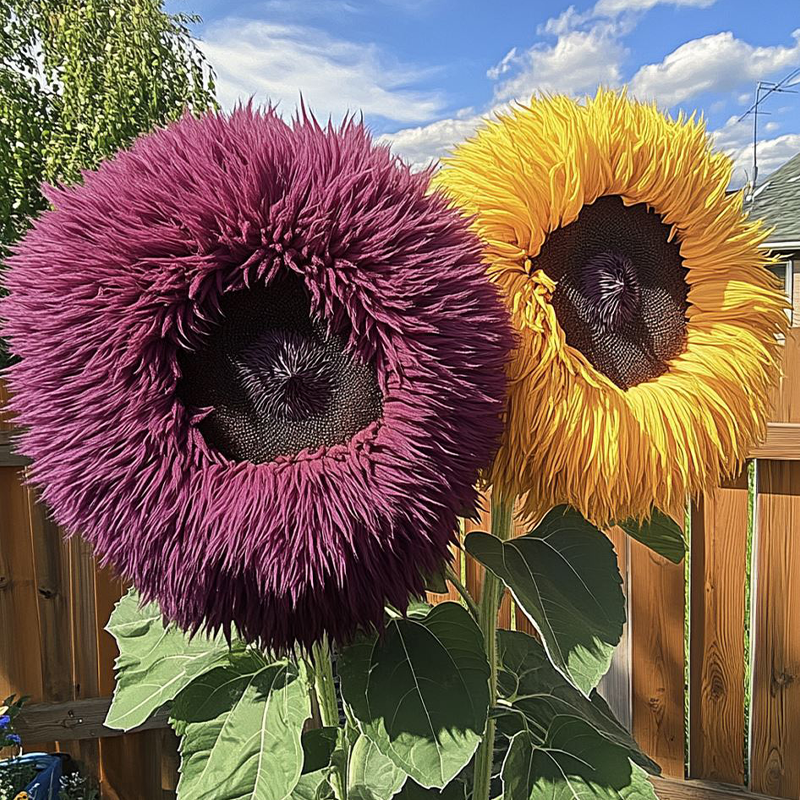
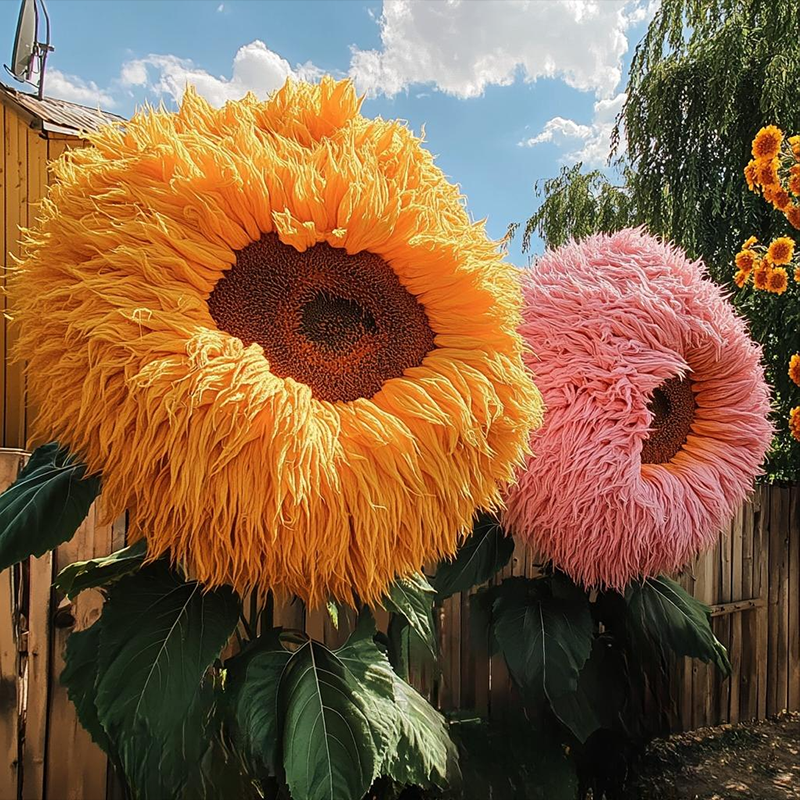
Giant Teddy Bear Sunflower More than just a plant, it's a living landscape that can transform any garden into a sunny paradise. With its furry, teddy bear-like appearance, this sunflower variety is a wonder that brings back childhood memories and whimsical landscapes. Growing this unique flower requires some knowledge and thoughtful care strategies that are both rewarding and fun.
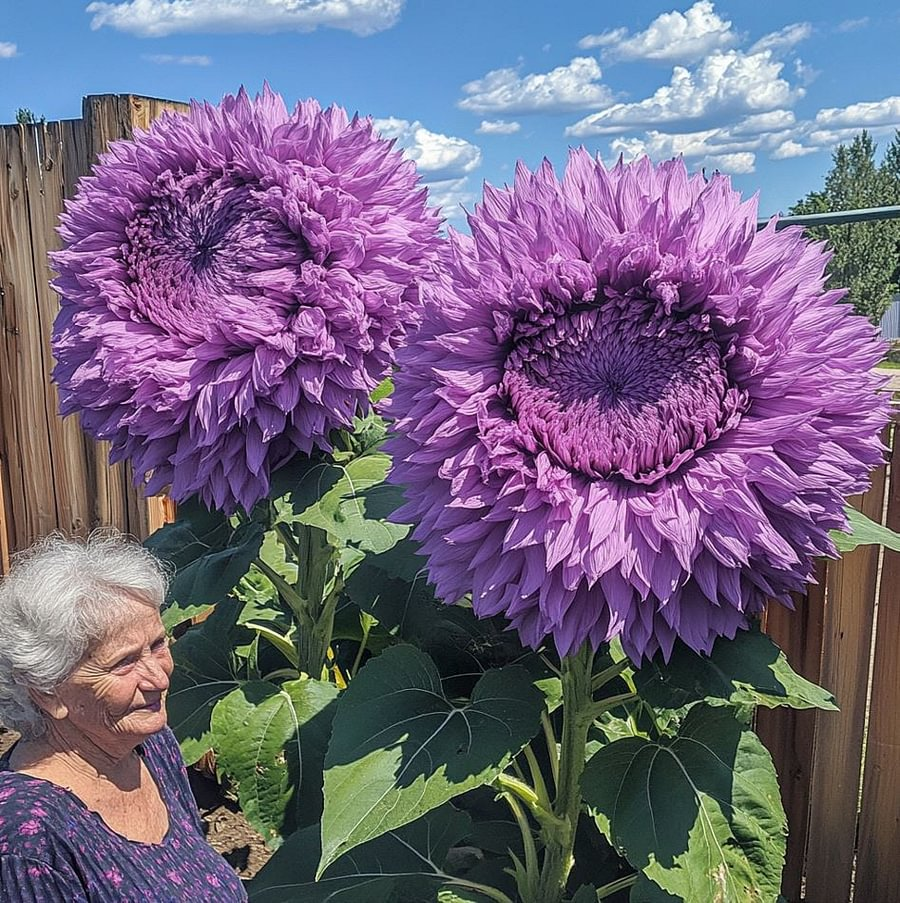
Before you start growing, it's important to understand what makes the Giant Teddy Bear Sunflower so special. This variety can grow up to 6 feet tall and has large, round flowers shaped like the face of a soft teddy bear with petals that are usually bright yellow or gold. Its name evokes feelings of warmth and nostalgia, suggesting that caring for this plant will encourage a deeper emotional connection with nature.
Choosing the right location
🔆Optimal sunlight and space
These sunflowers thrive in full sun and require at least 6-8 hours of direct sunlight per day. When planting seeds or seedlings, consider an area of your garden that is not only sunny but also large enough to accommodate their height and growth. Imagine a row of these cheerful giants along a fence or in a children's play area; their towering presence can serve as a natural backdrop for endless summer fun.
Soil Preparation
 A Foundation for Growth
To ensure healthy plant growth, it is important to cultivate the right soil. Giant teddy bear sunflowers prefer well-drained, nutrient-rich soil with a pH between 6.0 and 7.5. Using organic matter such as compost improves soil fertility and structure and creates a good environment for root growth. Think of the soil as a nourishing blanket that coats the seeds and encourages them to germinate vigorously.
Planting Techniques
🍃Timing and Depth
Temperatures are consistently above 70°F. Seeds should be planted about 1 inch deep and about 12 inches apart. Think of your garden as a canvas on which you can strategically place bright colors—each seed represents a potential ray of sunshine that will amaze onlookers.
Watering Requirements
💧Balancing Moisture
Watering is crucial, especially in the early stages of growth. Although the plant needs consistent moisture, it's important to avoid standing water, which can lead to root rot. A general rule of thumb is to water about 1 inch per week. Think of it as gently nurturing these plants, like a parent raising a child, making sure they get enough water to thrive without becoming overwhelmed.
Pests and diseases: proactive measures
Although the giant teddy bear sunflower is relatively hardy, it is still susceptible to pests such as aphids or beetles. Regularly checking plants for signs of damage can prevent widespread infestations. By using biological pest control methods, you can minimize chemical exposure and preserve the integrity of your garden ecosystem. Think of pest control as a dance; your rhythm of observation and action determines the harmony of your garden's health.
Harvest and Enjoy: Celebrate Your Efforts
When the backs of the flower heads are browned and the seeds are full, carefully cut the heads off and hang them upside down in a cool, dry place to continue drying. Consider this stage the culmination of your hard work - a celebration where you can enjoy the fruits (or seeds) of your labor.
Emotional and ecological impacts: Beyond beauty
Growing giant teddy bear sunflowers has far-reaching impacts. Their stunning beauty attracts pollinating insects such as bees and butterflies, and contributes positively to local biodiversity. In addition, growing living plants promotes a connection to nature and a sense of achievement, which boosts mental health and creates lasting memories. Imagine a child staring in awe at giant sunflowers, sparking their curiosity about life cycles and ecology.
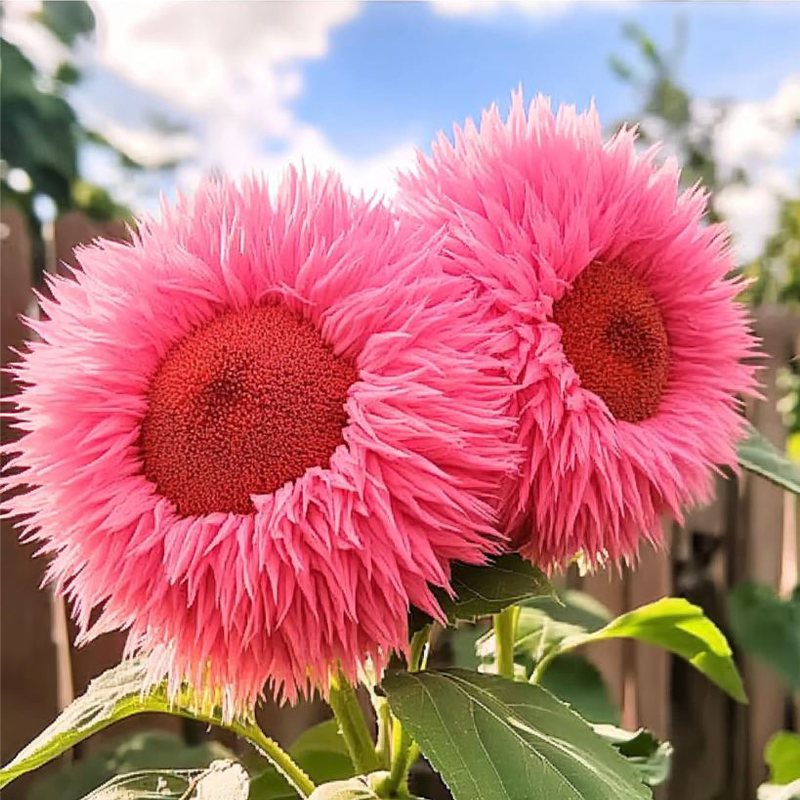
As you embark on the journey of planting and caring for these delightful sunflowers, you will have an enriching experience that cultivates not only a garden, but a love of nature that can be passed down from generation to generation.